
Rheocast away⚒️
Bring back production into your foundry with good margins and learn what it takes to be successful!

This week’s newsletter contains the following topics:
The 67th Austrian Foundry Congress in Leoben showcased a visionary strategy for revitalizing foundries amid global industry challenges with the presentation “Rheocast Away.” Using the metaphor of the movie Castaway, the presentation mapped the turbulent journey of the automotive industry and positioned Rheocasting as a crucial solution for survival and growth.
The Crisis in the Foundry Industry
Recent years have seen a “shipwreck” for foundries: Dieselgate, the COVID-19 pandemic, supply chain disruptions, and tariff wars. While many have survived, traditional responses like lobbying politicians are insufficient. Proactive adaptation is essential.
Finding the “Blue Ocean”
The “Blue Ocean Strategy” encourages moving into uncontested markets. Rheocasting creates unique opportunities in areas such as:
Heat Sinks: outperforming traditional cast and milled components.
Battery Parts: combining high mechanical properties, weldability, and leak-tightness.
Gigacastings: achieving large parts on smaller machines.
Compressor Castings: meeting the 2026 F-Gas Ban with CO2 systems needing 150 bar operating pressure.
Lightweight aluminium components: replacing steel and iron die and sand castings with Rheocasting.
Overcoming Challenges in Rheocasting
Misconceptions arise from improper gating and temperature control. High solid fractions are critical for achieving laminar flow and better part quality. The Comptech Slurrymakers simplify production by eliminating the need for constant temperature adjustments.
Technical and Economic Advantages
Rheocasting can drastically reduce clamping force needs, leading to savings of up to 30% on hourly rates for large castings. Sustainable alloys like “ReoCool” offer lower CO2 footprints and enhanced properties, such as high electronics and battery cooling thermal conductivity.
New Strategies for Growth
Success requires engaging directly with developers, attending specialized conferences, and maintaining an active presence on platforms like LinkedIn and YouTube. Foundries must adapt to faster sales cycles and smaller volumes, demanding separate, agile teams.
Building the Future Workforce
With an aging workforce, foundries must invest in employer branding on youth-focused platforms like Instagram, Snapchat, and TikTok to attract new talent and reshape the industry’s image.
Cultivating Leadership and Innovation
Leadership must foster a culture that embraces experimentation and supports external expertise to accelerate innovation. Success depends on connecting marketing, sales, production, and HR into a unified strategy.
Conclusion
Rheocasting offers a powerful path to reclaiming manufacturing in Europe and North America. However, fully realizing its potential requires integrated strategies, agile operations, and consistent innovation. Schedule a Free Consultation Call on the website, and let’s discuss Rheocasting for your product portfolio.
Set the sail for success and Rheocast Away!
Don't miss it⚒️
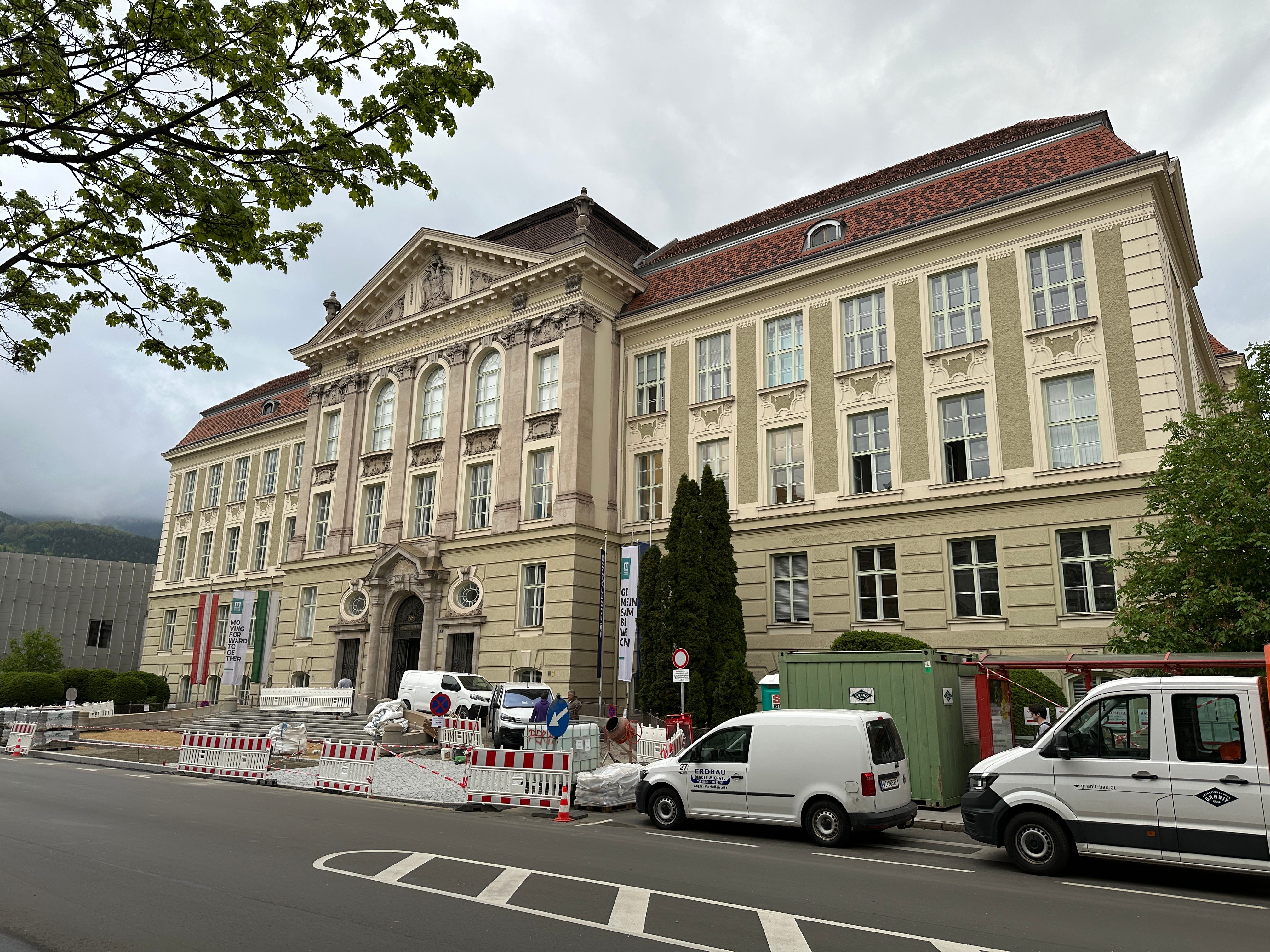
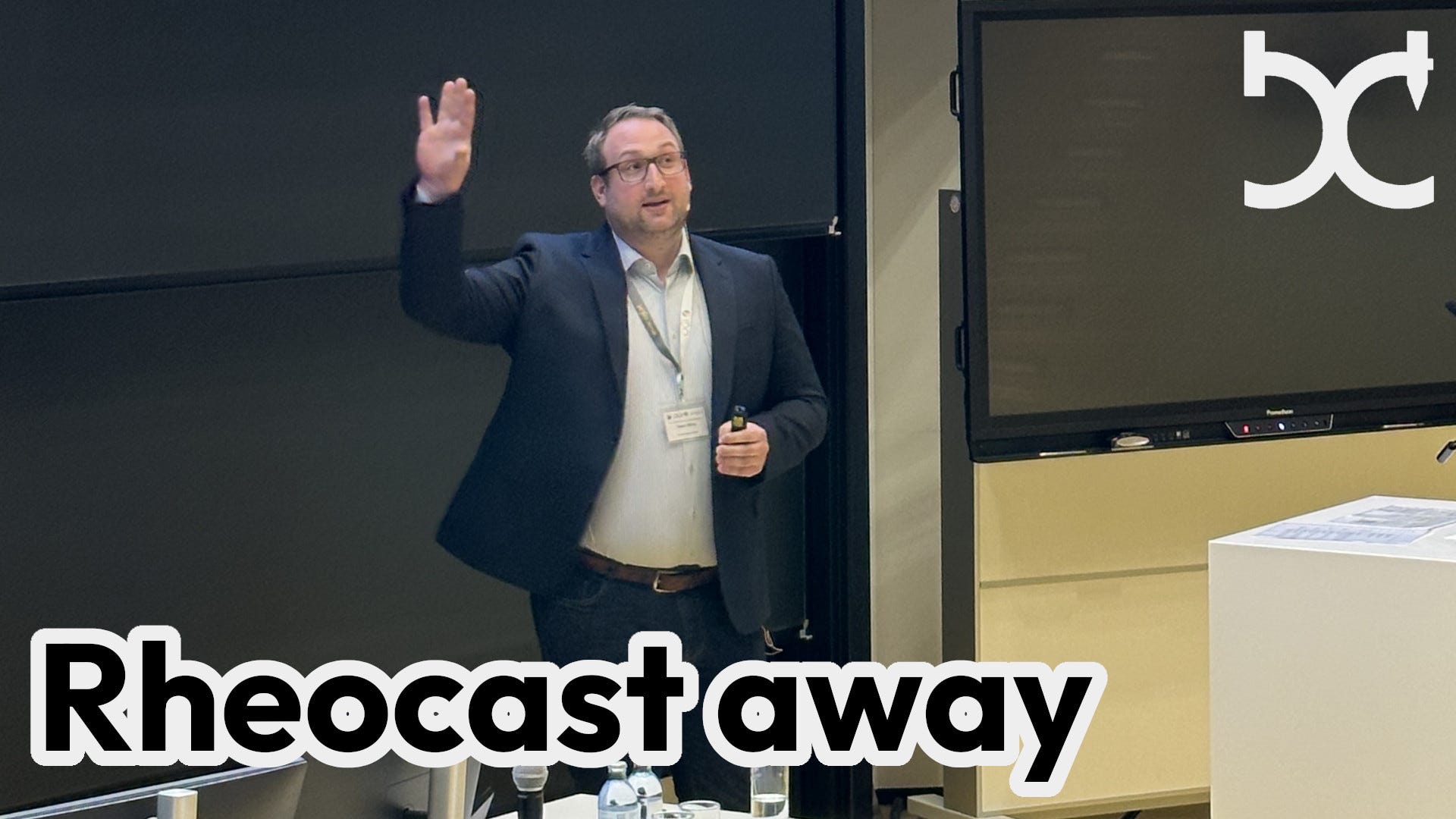
I had the great opportunity to return to Leoben for the 67th Austrian Foundry Congress, organised by the ÖGI – Österreichisches Gießerei-Institut, and give a presentation called “Rheocast away”.
Currently, our industry is facing the trend of “Production away,” with castings being moved overseas to low-cost countries. “Rheocast away” is the opposite concept; it shows how to leave the competition behind and bring back business to Europe and North America.
It was an amazing experience to share these insights about Rheocasting, demonstrate how technology projects fail, and, more importantly, what it takes today to succeed in today’s environment.
If you want to watch the full presentation, make sure to subscribe to the Casting Insights⚒️ Newsletter at Casting-Campus GmbH down below. You will then be notified on Tuesday via email when the presentation is uploaded.
What’s holding European OEMs back?⚒️
Despite the clear advantages of deeper collaboration with suppliers, many European OEMs continue to operate within rigid, siloed frameworks that hinder progress. During the Euroguss Executive Circle podcast, the conversation dove into why European OEMs struggle to fully embrace supplier integration, even as their global competitors surge ahead.
1. Departmental Silos and Communication Gaps
Perhaps the most glaring hurdle is structural: OEMs often suffer from organizational silos. Pre-development, industrialization, and purchasing are handled by separate departments, often with poor handoff mechanisms between them.
“Every time you move from pre-development to purchasing, it’s like starting the project all over again,” said Fabian Niklas. This fragmented approach leads to misaligned goals, repeated discussions, and wasted effort. Worse still, valuable supplier input offered during the early phases is frequently not carried through to the final sourcing decision.
2. Cultural Inertia and Risk Aversion
Katrin Grebe highlighted a deeper issue, the corporate culture. Many European OEMs are bound to compliance-heavy frameworks and traditional procurement practices that prioritize short-term cost over long-term value. Even when suppliers propose smarter, more sustainable solutions, internal structures make it difficult to adopt them.
“They follow a Harvard-style process: one department hands it off to the next. There’s no flexibility, no structure for creative collaboration,” Katrin Grebe remarked. This culture of “playing it safe” often discourages the adoption of innovative models like front-loading or networked supplier teams.
3. The Disconnect between Strategic Intent and Procurement Reality
While OEM leadership may speak of agility and innovation, purchasing departments often default to old habits: focusing solely on upfront cost. This disconnect was a recurring theme in the podcast. “Purchasing talks about TCO, but in the end, it’s still the cheapest offer that wins,” said Fabian Niklas.
This tunnel vision often leads OEMs to choose low-cost suppliers from overseas, ignoring hidden costs like shipping delays, quality risks, and tooling inefficiencies that erode value over time.
4. Lack of Casting Expertise Within OEMs
Another consequence of these trends is the erosion of internal technical expertise. Katrin Grebe observed that most OEMs have significantly downsized their casting knowledge, leaving them unable to assess or optimize casting-based solutions on their own.
“They need our competence because they no longer have it,” she said bluntly. This knowledge gap makes OEMs more dependent on suppliers. Yet, paradoxically, they remain hesitant to formalize those collaborations in ways that protect and reward shared innovation.
5. A Contrast in Mindset
The podcast compellingly contrasted European OEMs with their counterparts in Asia and the U.S.. The Asian and American manufacturers are often more open, agile, and collaborative. They approach suppliers not just as vendors but as innovation partners.
“In Asia, it works. In the U.S., they adapt fast,” said Staffan Zetterström. “Rivian, for example, took two years to adopt Rheocasting. It took others five.” This mindset shift allows newer OEMs to leapfrog traditional players. By embracing partnership-based models, they gain faster time-to-market, better product quality, and more resilient supply chains.
6. The Need for Strategic Sensibility and Industry Lobbying
While the challenges are daunting, solutions are emerging. Industry forums like the Euroguss Executive Circle provide a platform for shared learning and collective advocacy. As Katrin Grebe emphasized, the goal is not to blame but to sensitize OEMs to the opportunity they are missing out on.
Moreover, these conversations must extend beyond technical circles and into executive leadership, policymaking, and public dialogue. European manufacturing needs strong lobbying efforts to support policy reform, encourage innovation adoption, and ensure the survival of local supplier networks.
Conclusion
The roadblocks to OEM-supplier collaboration are real but not insurmountable. They are in their own hands or contracts. With open dialogue, cultural change, and structural reform, European OEMs can unlock the full potential of their supplier networks. Global competition isn’t waiting, and neither should Europe.
Thank you for listening. We’ll see you in the next episode, where we’ll continue to bring you the latest insights and updates from the casting world. Don’t forget to ask questions, comment, or suggest future episodes.
Offers from Casting-Campus GmbH
Casting-Campus is all about helping you acquire new business through intelligent solutions, new technologies like Rheocasting, and sustainability.
Our services start with positioning your foundry. The next steps are to find unique solutions to market to existing and new customers and generate new profitable castings. In the meantime, we will improve your internal processes to accommodate the new solutions in your foundry. During the sampling process, we’re by your side, pushing the buttons to deliver the properties promised in the development process
Workshops on HPDC process optimization, Rheocasting and Sustainability
Business Development to acquire new Customers in the Foundry Industry
Strategy Development for Rheocasting and Sustainable Castings
Casting Experts on Demand - The Netflix of Knowledge
Support for part development: address casting issues early in the design process
Cut Energy costs and produce Sustainable Castings
If this sounds appealing to you, visit the website for more information on the Consulting Services and schedule a Free Consultation Call. Let’s discuss what is the right solution for your topic of interest:
Historical Post
A weekly reminder of an old but gold article
Take your Decision Making from Chaos to Clarity⚒️
Imagine this: a machine breakdown halts production, and suddenly, a frustrated supervisor throws the issue on your desk, demanding an immediate solution. Your team is stressed, the clock is ticking, and the cost of downtime is climbing. What do you do?
This scenario is all too familiar for many foundry managers. Faced with constant challenges, we often resort to quick fixes that may address the immediate issue but fail to solve the root cause. The result? The same problems keep recurring, morale suffers, and valuable time and resources are wasted.
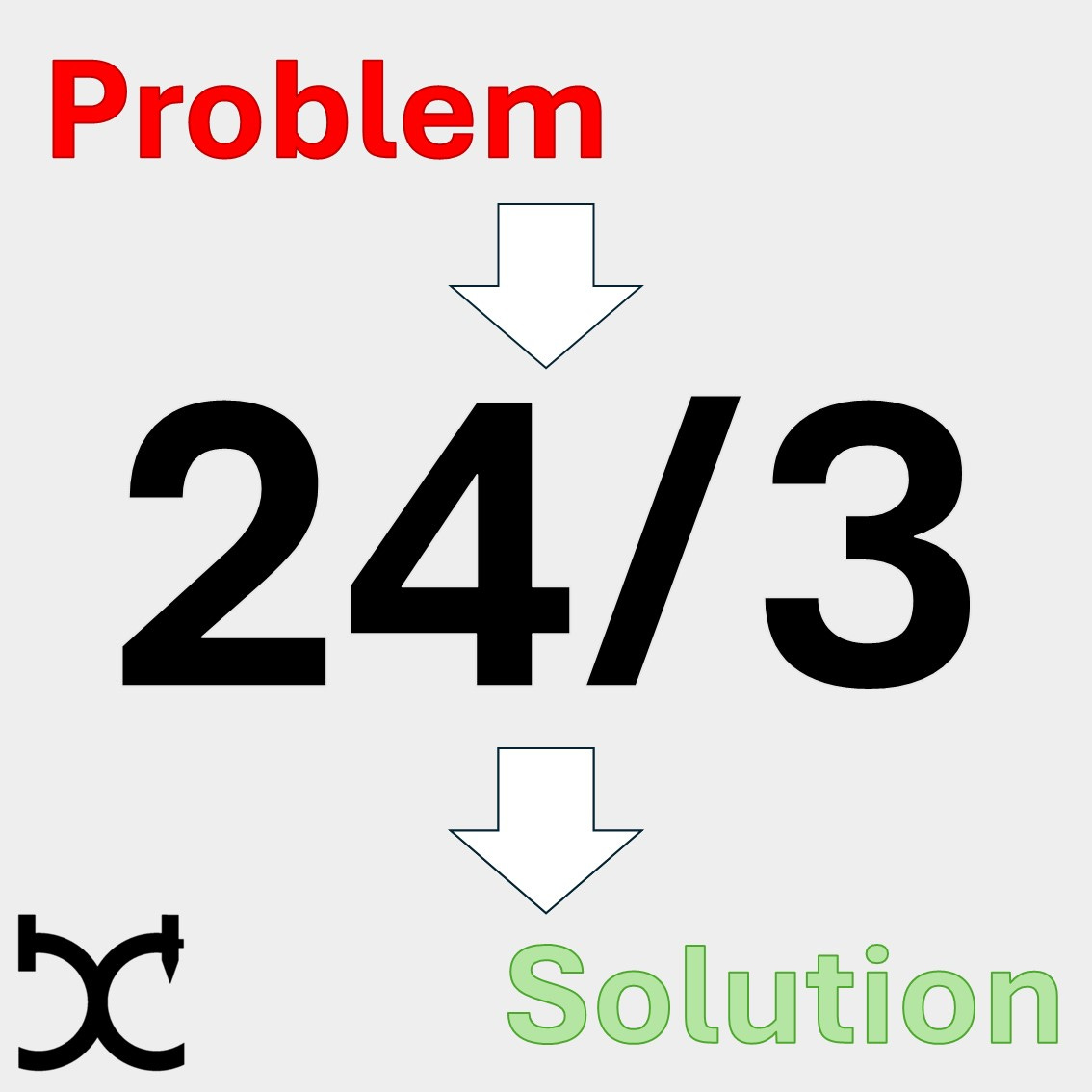
But what if there were a better way to handle these situations? A way to turn chaotic, knee-jerk reactions into structured, thoughtful decision-making? Enter the 24/3 principle. I didn’t develop the principle, but I love its simplicity and results. Prof. Dr. Markus Hengstschläger mentioned it in his keynote speech at the Euroguss Executive Circle. It is a simple but powerful method that encourages effective problem-solving while fostering teamwork and creativity.
Understanding the 24/3-Principal
The 24/3 concept is straightforward: When faced with a problem, rather than rushing to a quick decision, take 24 hours to think it over. Then, reconvene as a team, with each member bringing three potential solutions to the table. This approach does two things: it gives everyone time to think critically, and it ensures multiple perspectives are considered before a decision is made.
The 24/3 method helps teams avoid the pitfalls of impulsive decisions by taking a step back and allowing thoughtful consideration. It promotes a culture where employees are empowered to contribute their ideas and problems are approached from multiple angles.
Another key advantage of the 24/3 approach is how it circumvents traditional authority structures. Instead of having one person—often a manager or senior leader—impose their solution, every team member develops their ideas independently. This process levels the playing field, allowing diverse viewpoints to surface and encouraging innovative solutions that might not otherwise be considered.
The Benefits of 24/3 for Foundry Teams
Why should foundry managers adopt the 24/3 approach? Here are three key benefits:
Encourages Ownership and Accountability:
When team members are required to present their solutions, they become more invested in the outcome. They shift from being passive observers to active problem-solvers, which fosters a sense of ownership and accountability. This can lead to higher engagement and morale, as employees feel their contributions matter.Reduces Stress and Improves Decision Quality:
The 24-hour reflection period minimises the pressure to find a quick fix and helps prevent rash decisions. Instead, team members have time to analyse the problem thoroughly, leading to more thoughtful and informed solutions. According to McKinsey research, teams that use structured decision-making processes are 30% more likely to achieve high-quality outcomes.Fosters Creativity and Innovation through Independent Thinking:
Requiring each person to come up with three solutions independently encourages out-of-the-box thinking. This approach prevents groupthink, where people might unconsciously align with what they believe the manager wants to hear, and instead opens the floor to diverse ideas. It promotes a culture where all voices are heard, regardless of hierarchy, and where creative and unconventional solutions can flourish.
Real-Life Examples of 24/3 in Action
Consider a foundry struggling with frequent furnace breakdowns, which lead to costly production delays and overtime expenses. The initial reaction might be to call for immediate repairs without digging into the root cause. Instead, the manager decides to implement the 24/3 principle.
The team takes 24 hours to assess the problem, and when they meet, each member presents three solutions. Suggestions range from preventive maintenance schedules to upgrading old equipment and retraining operators on best practices. Because everyone had time to think independently, they brought forward solutions that might not have emerged in a top-down decision-making process. After evaluating all the ideas, the team decides on a combination of preventive measures and operator training, which significantly reduces future breakdowns and costs.
By applying the 24/3 rule, the team moves from firefighting mode to strategic problem-solving, significantly reducing downtime and cutting overtime costs.
Practical Steps to Implement 24/3
Ready to give the 24/3 method a try in your foundry? Here’s a step-by-step guide to help you get started:
Introduce the Concept to Your Team:
Explain the "24/3" rule and its benefits to your team. Encourage open dialogue and address any concerns or questions they might have.Set Clear Expectations:
When a problem arises, set a 24-hour period for analysis. Encourage everyone involved to think critically about the issue and come prepared with three possible solutions.Facilitate the Meeting:
After 24 hours, hold a meeting where each person presents their solutions. Create a safe environment where all ideas are welcome, and everyone feels heard. Emphasise that there is no "right" or "wrong" answer—every perspective is valuable.Evaluate and Decide:
Evaluate all the proposed solutions collaboratively. Weigh the pros and cons, consider feasibility, and decide on the best course of action. Ensure that everyone understands why certain decisions were made, reinforcing transparency and trust.Follow Up:
Implement the chosen solution(s) and set a timeline for follow-up. Review the outcome and discuss what worked and what didn’t, fostering a culture of continuous learning and improvement.
Closing Thoughts
The 24/3 approach is more than just a problem-solving tool—it's a mindset shift that encourages collaboration, creativity, and strategic thinking. Allowing everyone to develop their ideas independently breaks down traditional hierarchies and brings fresh perspectives to the forefront. In an industry where quick decisions can often lead to long-term consequences, taking a step back to think and plan can make all the difference.
So, the next time a problem lands on your desk, resist the urge to rush. Instead, take 24 hours, gather your team, and explore the possibilities together. You might be surprised at the innovative solutions that emerge.
For more such insights and practical solutions to optimise your processes, the Foundry Boot Camp from Casting-Campus GmbH is perfect for you: